De mooiste geologische geschriften vind je op scriptageologica.nl
De wereld is niet zomaar ontstaan, die wordt gevormd door de eeuwen die er zijn geweest. Vroeger was het ijstijd en zag het er heel erg anders uit dan dat het nu eruit ziet. Ook het stenen tijdperk heeft geholpen aan hoe de wereld er nu uit ziet. Nu wordt de wereld volgebouwd met huizen en gebouwen terwijl die er vroeger niet waren.
Wat is een geologisch geschrift?
In geologische geschriften staat heel erg veel vermeld. Zo zal er in vermeld staan hoe op dat moment het tijdperk eruit ziet en hoe dat zo is gekomen. Er wordt veel vermeld over de tijd waarin ze zich toen bevonden en hoe dat eruit zag. Het kon niet worden verteld dus werd het op bijvoorbeeld een steen geschreven zodat het voorgoed bewaard kon worden.
Waar vind je de geologische geschriften?
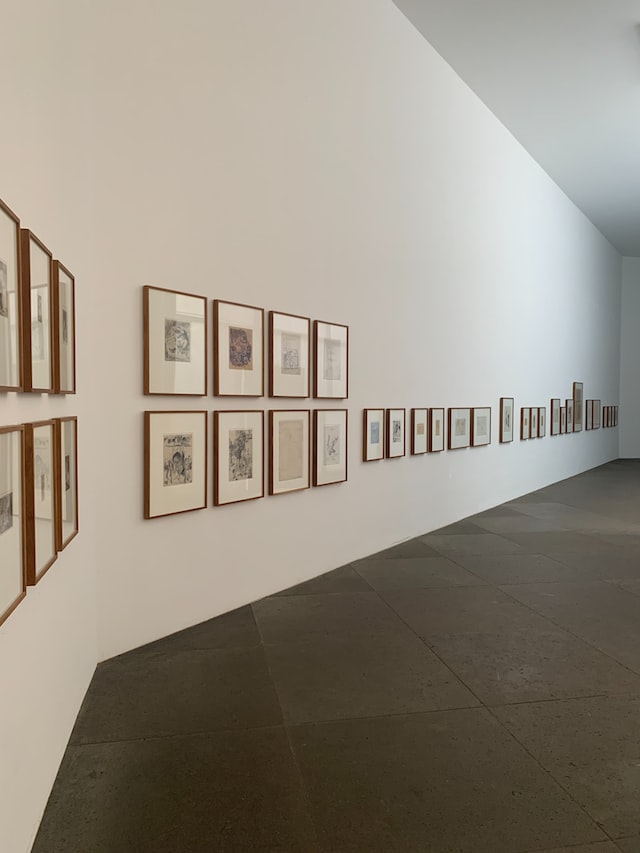
Geologische geschriften staan op veel verschillende plaatsen vermeld, op internet staan heel erg veel voorbeelden van hoe ze eruit zagen en wat erop vermeld stond. Ook kun je het in een museum gaan bezichtigen, welk museum dat is verschilt omdat niet ieder museum zo’n prachtstuk in het bezit heeft. Als jij zo’n stuk dus wilt gaan bewonderen zul je dus van tevoren even moeten informeren of het daar in het museum aanwezig is. Een museum is natuurlijk altijd de moeite waard om te bezoeken dus je zult nooit met lege handen komen te staan.
Hoe was de wereld vroeger?
Zoals de wereld er nu uitziet is heel anders dan dat het eruit heeft gezien. De mensen leefde vroeger niet in een huis of reden met een auto. Toen ging alles lopend en sliepen mensen in bijvoorbeeld een grot. Die grotten zijn nu nog maar heel erg moeilijk te vinden terwijl vroeger iedereen een eigen grot had om in te slapen. De wereld is veel beter geworden qua dat en voor de mensen veel makkelijker om te overleven
Welke tijdperken waren er?
Op dit moment bevinden wij ons in het tijdperk Het Antropoceen, dit wordt zo genoemd door geologen. Er zijn meerdere tijdperken voor het tijdperk geweest waarin wij nu leven. Zo kun je denken aan de ijstijd, het stenen tijdperk, prehistorie en de middeleeuwen. Ieder tijdperk heeft zijn eigen charmes maar natuurlijk ook zijn voor- en nadelen, denk bijvoorbeeld aan de ijstijd dat het toen ontzettend koud was.
Verschil tussen nu en vroeger?
Er is natuurlijk een ontzettend groot verschil als je denkt aan hoe het nu gaat en aan hoe het vroeger ging. Nu rijden we in een auto terwijl we lekker de kachel of de airco aan kunnen zetten, vroeger wist men niet eens hoe een wiel eruit zag. Het was toen sowieso onmogelijk om met een auto te rijden, in sommige tijdperken lagen er grote heuvels waar je amper te voet overheen kon komen. Denk ook eens aan de elektriciteit die we nu hebben en toen niet, dat maakt het voor ons als mens toch al een stuk makkelijker om te leven.
Bekijk je route online
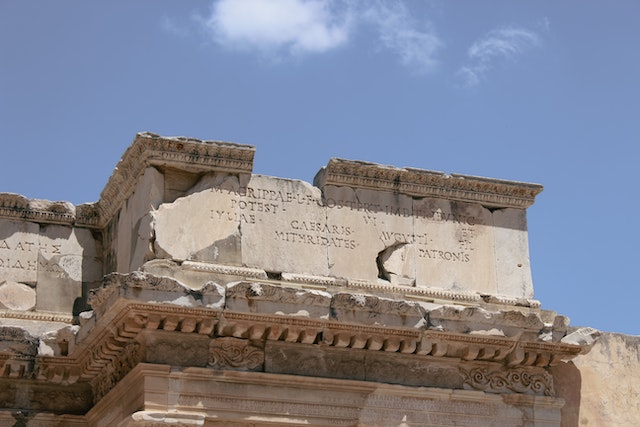
Je bent van plan om op reis te gaan, het is dan wel zo makkelijk als je weet waar je terecht gaat komen. Je kunt heel je route bekijken door het via streetview op te zoeken. Met streetview kun jij precies zien waar je langs rijdt en waar je naartoe moet. Je kunt op die manier dus een beetje kijken wat je onderweg kunt verwachten.
Wat zie je allemaal op streetview?
Op streetview kun je heel erg veel zien, je kunt vaak zelfs tot aan de voordeur van iemand zijn huis kijken. Met het juiste huisnummer kun je dus echt een heel eind komen. Je hoeft dan niet te zoeken naar waar je moet zijn want dat heb jij van tevoren al kunnen bekijken.
Hoe wordt streetview gemaakt?
Er rijdt een auto rond met een camera bovenop het dak, deze auto maakt foto’s van de omgeving waar hij doorheen rijdt. Stel dat je deze auto tegenkomt dan zul jij die ook zeker herkennen. Er staat namelijk een heel erg groot logo op van Google streetview, hij kan dus niet onopvallend voorbij zijn gereden. Je hoeft niet bang te zijn dat je wordt herkend want gezichten worden vervaagd wegens privacy redenen.
Stop met facebook, is alles echt weg?
Als je op facebook zit dan merk je al snel dat je er langer op zit dan dat je wilt. Er zijn nog meer redenen dat je zou willen stoppen met facebook. Het is heel makkelijk te verwijderen maar is het dan ook echt weg? Hoe kun je facebook verwijderen zonder al te veel moeite?
Hoe kun je facebook verwijderen?
Facebook verwijderen is een stuk makkelijker dan je denkt, je kunt het bij je persoonlijke instellingen vinden. Je kunt het dan verwijderen en op die manier afstand nemen van facebook. Welke reden jij ook hebt om facebook te verwijderen je wilt niet te veel moeite voor hoeven doen. Op het moment dat jij te veel moeite moet doen dan heb je sneller zoiets van laat maar zitten waardoor je toch je account bewaard.
Redenen om facebook te verwijderen
Je kunt verschillende redenen hebben om facebook te verwijderen, eigenlijk maakt de reden niet uit waarom jij facebook wilt verwijderen. Het is vrij simpel om facebook te verwijderen, als jij geen facebook meer wilt dan kun jij die bij instellingen verwijderen. Op het moment dat jij facebook verwijderd dan wordt jouw profiel uit de lucht gehaald waardoor niemand meer op jouw facebook kan kijken.

Sneller verzenden met een samengevoegde pdf
Op het moment dat je een bestand moet verzenden dan wil je wel dat dit op een makkelijke manier gedaan kan worden. Als jij veel bestanden tegelijk toe moet voegen dan kan het zijn dat je er eentje vergeet toe te voegen. Het is dan makkelijker om bestanden samen te voegen zodat je maar 1 bestand hoeft te versturen. Als je een pdf bestand moet versturen dan is een pdf samenvoegen een stuk makkelijker.
Hoe kun je een pdf samenvoegen?
Een pdf samenvoegen is eigenlijk heel erg makkelijk, het is wel belangrijk dat je het goede programma hebt. Er zijn verschillende programma’s voor die je kunt gebruiken. Niet alle programma’s zijn gratis, welke wel gratis zijn kun je makkelijk vinden als je op zoek gaat. Het verschilt per programma welke stappen je moet volgen om pdf’s samen te voegen.
Waarom pdf’s samenvoegen?
Als je meerdere bestanden moet versturen kan het makkelijk gebeuren dat je er eentje over het hoofd ziet. Als je die dan samenvoegt dan is die kans al een stuk kleiner. Voor jezelf is het ook makkelijker om het bestand te vinden op het moment dat jij ze samen in 1 bestand hebt opgeslagen.

Hoe vind je een kunstveiling in de buurt?
Een kunstveiling kan erg leuk zijn om bij te wonen, als je dan nog iets moois kunt scoren is het nog veel leuker. Je kunt zelf kiezen wat voor kunstveiling je leuk vindt om naartoe te gaan. Je kunt kiezen voor een kunstveiling waar bijvoorbeeld schilderijen worden geveild maar je kunt ook voor een andere kunstveiling kiezen.
Waar vind je een kunstveiling?
Een kunstveiling kun je op verschillende plaatsen vinden, als je zoekt op internet dan zul je al snel een plaats vinden waar een kunstveiling is. Als je er eentje in de buurt wilt dan is dat natuurlijk wel zo fijn, je kunt die makkelijk vinden door te zoeken naar plaats en kunstveiling in te toetsen. Jij kunt op die manier een kunstveiling bijwonen in jouw eigen buurt.
Kun je zomaar een kunstveiling bijwonen?
In principe kun je zomaar een kunstveiling bijwonen, het is wel belangrijk dat je ook echt interesse hebt in de voorwerpen die worden geveild. Als je er zomaar gaat zitten omdat je het leuk vindt is dat natuurlijk iets heel anders dan wanneer je ook echt wat gaat kopen. Wat er verkocht gaat worden is per kunstveiling verschillend maar dit wordt van tevoren wel aan gegeven.
Geniet van elke dag, onthoud deze tips
Het is een zegen dat je iedere dag mag vieren, iedere dag moet je dus ook het mooiste uit het leven halen wat eruit te halen valt. Het is zonde als je iedere dag zomaar voorbij laat gaan want het is heel erg bijzonder. Je wilt wel uiteindelijk kunnen zeggen dat je een mooi leven hebt zonder dat je heel veel zorgen hebt. Je kunt dat enkel maar doen door te genieten van wat je hebt.
Carpe diem betekenis
Pluk de dag, het betekent letterlijk dat je alles uit het leven moet halen wat erin zit. Als jij geluk laat liggen dan zul jij daar niet vrolijker of gelukkiger van worden. Je hebt het grootste geluk zelf in de hand en kunt daar heel goed gebruik van maken. De carpe diem betekenis is niet voor niets pluk de dag.
Hoe haal je alles uit je leven?
Alles uit het leven halen kan enkel maar als je het toe laat. Het is jammer als je in het negatieve blijft hangen want het leven kan heel erg mooi zijn maar je moet het wel zien. Iedere dag heeft jou weer iets moois te brengen maar je moet het dan wel zien.